Signs You Need a Roof Replacement Today: How to Know When Your Roof Is Failing
A failing roof often starts with small, easy-to-miss clues and can quickly turn into costly water damage if you wait. Knowing the signs that point to a full roof replacement protects both your home and your wallet. This guide walks you through the most common exterior and interior warning signs, how water damage exposes hidden problems, and when age alone means replacement is the right call. You’ll get practical attic and roof inspection steps, expected lifespans for common materials with Tennessee in mind, and a simple decision framework to separate repairable issues from replacement needs. We also cover structural red flags—like sagging or soft spots—what to do after storms, and the next steps: documenting damage, temporary protection, and getting professional quotes. Finally, learn how timely replacement preserves energy efficiency, clarifies insurance issues, and protects resale value, with local inspection options for Tennessee homeowners.
What Are the Most Common Roof Replacement Signs Homeowners Should Know?
Visible roof problems often point to deeper failures: materials breaking down, protective layers failing, or the roof deck becoming exposed. Things like curling shingles, missing pieces, and granule loss each signal different failure paths—UV and temperature changes wear asphalt, wind strips granules, and repeated wetting weakens seals. Spotting patterns early prevents leaks that lead to rot and mold, and helps you decide whether a repair will do or if replacement is the smarter long-term choice. Below are the top warning signs many homeowners miss, plus quick actions to take when you see them.
Common exterior warning signs to watch for:
- Curling, cupping, or cracked shingles: Shingles that deform expose edges and invite wind uplift.
- Missing shingles and exposed underlayment: Gaps make water intrusion much more likely.
- Granules in gutters or bald shingles: Losing granules shortens shingle life and signals wear.
- Dark streaks or widespread algae/moss: Growth holds moisture against shingles and speeds decay.
- Flashing failure and rusted metal: Damaged flashing often lets water in around vents and chimneys.
- Repeated leaks or interior soft spots: Points to deck or underlayment failure beneath the surface.
- Roof age beyond expected lifespan: Sometimes age alone is enough reason to replace.
Most of these signs should be photographed and reviewed by a professional; the next section explains specific shingle deformations and what they mean for timing a replacement.
| Sign | Likely Cause(s) | Recommended Homeowner Action |
|---|---|---|
| Curling / Cupping / Cracking | UV damage, temperature swings, poor ventilation, age | Take photos, check attic ventilation, book a professional inspection |
| Missing shingles | Wind or storm uplift, incorrect fastening | Cover exposed decking if needed, document damage for claims, get replacement quotes |
| Granule loss | Normal wear, hail, low-quality shingles | Inspect gutters for granules, look for bald spots, prioritize replacement if widespread |
How Do Curling, Cupping, and Cracked Shingles Indicate Roof Damage?
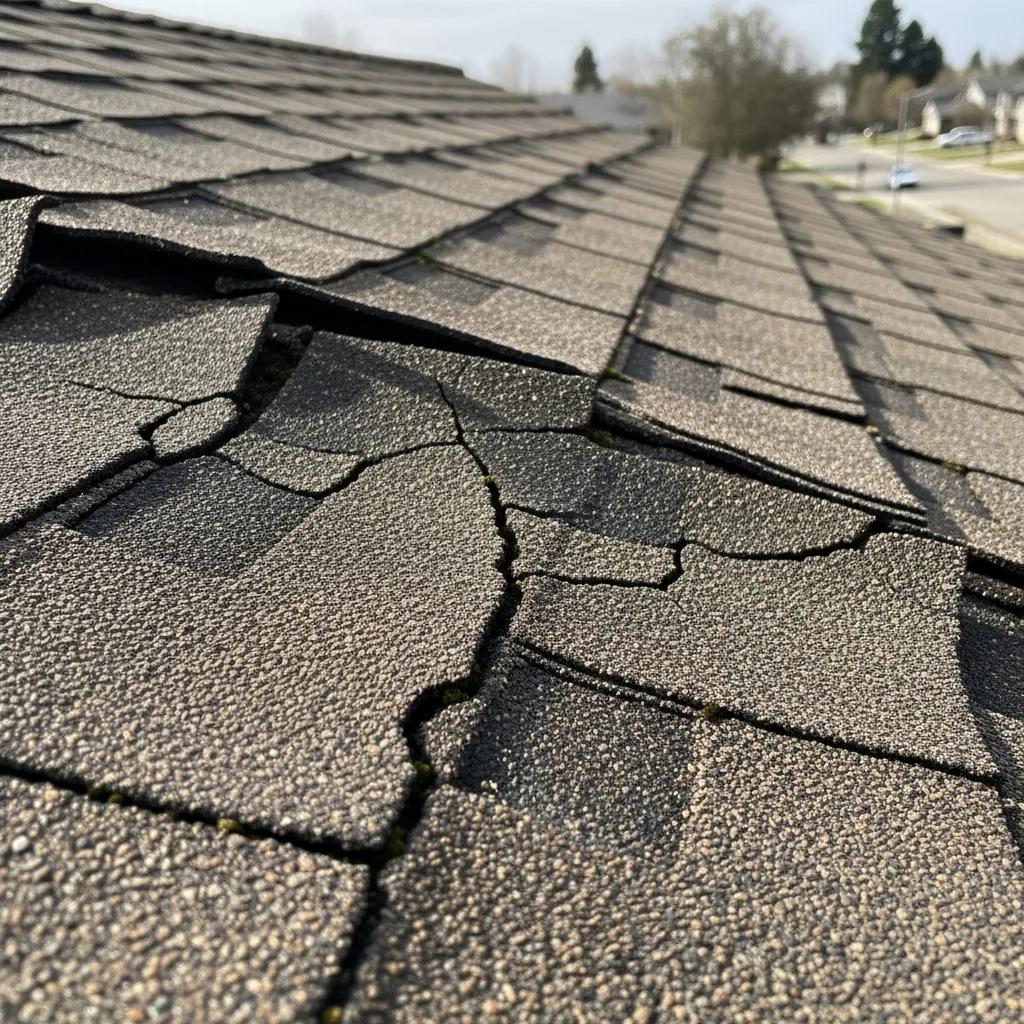
Curling, cupping, and cracking are signs that shingles have lost their shape or flexibility, which reduces their ability to shed water and makes them easier for wind to lift. Curling shows as raised edges from age or heat cycles, cupping appears as a concave warp often tied to moisture or substrate issues, and cracking happens when shingles become brittle from UV or freeze-thaw cycles. When these problems spread beyond a few shingles, they usually mean the underlayment and deck are at risk too—making full replacement more cost-effective than piecemeal repairs. Photograph several affected areas and compare roof slopes to help your contractor recommend repair vs. replacement.
Why Are Missing Shingles and Granule Loss Warning Signs for Roof Replacement?
Missing shingles leave the roof deck and underlayment exposed to weather, accelerating rot in valleys and eaves. Granule loss is a clear indicator that the shingle’s protective surface is failing—homeowners often spot these granules in gutters or downspouts. A small patch of missing shingles after a wind event might be repairable, but widespread granule loss or multiple missing areas across roof planes usually pushes replacement to the front of the line. Map affected spots, collect photos, and time repairs versus replacement when you get contractor estimates.
How Can Water Damage Reveal the Need for a New Roof?
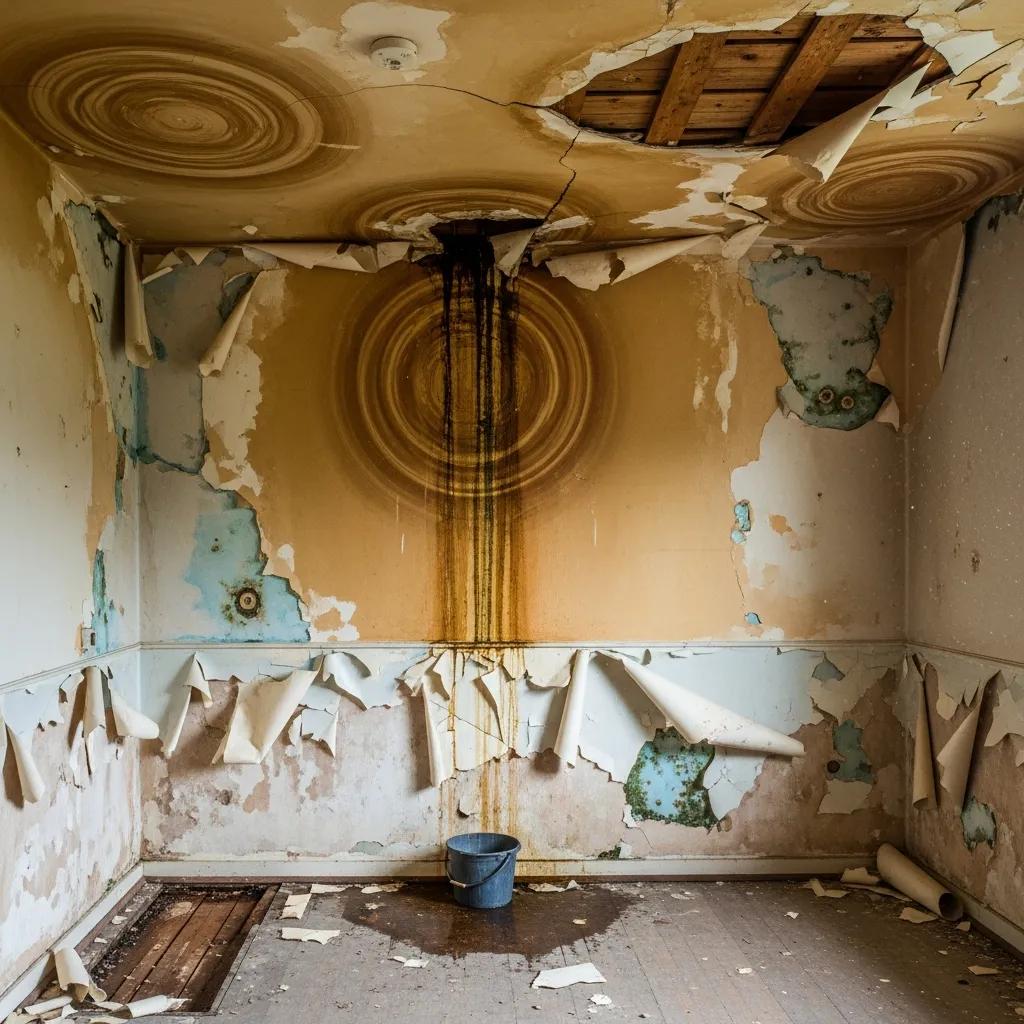
Water damage is often the first sign that parts of the roofing system below the shingles are failing. Moisture travels along framing and insulation before it shows up as stains on ceilings and walls. Persistent leaks usually mean underlayment or flashing problems across a larger area—repairs can be temporary while rot spreads unseen. Spotting interior clues early—stains, bubbling paint, musty smells, or mold—reduces health risks and repair costs. The next sections explain how to tell the difference between an isolated leak and a system-wide failure and how to safely inspect attics to find hidden moisture paths.
Interior water intrusion signs to monitor include:
- Ceiling discoloration or bubbling paint: Often the first visible sign of a roof leak.
- Persistent musty odors or visible mold: Points to ongoing moisture and possible insulation damage.
- Peeling plaster or sagging drywall: Indicates prolonged water exposure and structural weakening.
If you see any of these, arrange attic and roof inspections promptly to determine whether the issue is isolated or systemic.
What Do Persistent Roof Leaks and Interior Water Stains Tell You?
Recurring leaks and repeated ceiling stains mean water is entering repeatedly—often from failing shingles, flashing, or underlayment—and causing rot in the decking and damage to insulation and rafters. A single, repairable leak (for example, after a storm) is different from chronic leakage, which usually requires replacement to stop ongoing deterioration and mold growth. Record each leak with date-stamped photos and notes about weather conditions to help roof professionals and insurers assess the scope of work needed.
Keeping a log of leaks and interior damage makes it easier to decide between temporary fixes and the long-term security of a full roof replacement.
How to Inspect Your Attic for Daylight and Moisture as Roof Damage Signs?
A safe attic check looks for daylight shining through roof boards—especially around vent pipes and chimneys—moisture stains or dark spots on rafters and sheathing, small gaps between wood panels, and damp or flattened insulation that indicates active leaks or poor ventilation. Use a bright flashlight, a stable ladder, and appropriate safety gear. Small points of daylight are direct leak paths—mark them on a sketch of the attic and note nearby vents and penetrations. Smell for musty odors that suggest long-term moisture. Compare when moisture shows up—only during storms or more frequently—to help decide if flashing repairs or a full replacement is needed.
After documenting attic findings, compile photos and notes to support a professional assessment or insurance claim.
When Is Your Roof Too Old? Understanding Roof Age and Environmental Impact
Age is a major factor in replacement decisions, but local conditions—Tennessee humidity, storms, and temperature swings—can make roofs wear faster than national averages. Lifespans vary by material: standard asphalt shingles generally last 20–30 years, while metal or tile roofs often last much longer. In Tennessee, humidity and frequent storms can push asphalt toward the lower end of that range and increase the chance that age alone justifies replacement. The table below gives typical lifespans and Tennessee-specific notes to help you judge whether age is the primary concern.
| Material | Typical Lifespan (Years) | Tennessee Performance Notes |
|---|---|---|
| Asphalt shingles | 20–30 | Heat cycles and humidity can shorten life; granule loss speeds up in high-UV and storm areas |
| Metal roofing | 40–70 | Good resistance to moisture and growth; proper flashing and fasteners are key in storms |
| Slate / Tile | 50–100+ | Extremely durable but watch flashings and underlayment; requires strong framing for the weight |
What Is the Typical Lifespan of Different Roof Materials in Tennessee?
Asphalt shingles are the most common residential choice and typically reach 20–30 years, though Tennessee’s humidity and storm seasons often make the lower end more realistic. Metal roofs resist moisture and biological growth and usually last multiple decades, but they need attention to fasteners and perimeter flashing in windy conditions. Slate and tile give long service lives when installed correctly, though flashings and underlayment may need attention over time. Knowing these differences helps you weigh the cost of delaying replacement against the benefits of proactive work.
How Do Moss, Algae, and Storm Damage Affect Roof Longevity?
Moss and algae trap moisture against the roof surface, wearing down granules and accelerating decay—this happens faster in humid climates like Tennessee. Storm damage—hail, wind-lifted shingles, and debris strikes—creates localized failures that can quickly grow if not repaired. Repeated storm exposure compounds age-related wear. Regular removal of growth and prompt post-storm checks slow decline, but widespread biological colonization or repeated storm impacts often mean replacement is more practical than repeated remediation. Documented storm damage also strengthens insurance claims, but weigh claim thresholds against the long-term value of replacement.
What Structural Issues Signal That Your Roof Needs Replacement?
Structural warning signs go beyond surface wear and show the roof deck, framing, or supports may be compromised enough that repairs aren’t safe or cost-effective. Sagging rooflines, soft spots in decking, and visible rafter deformation point to water infiltration, overload, or long-term rot that can threaten the home’s structure. Acting quickly protects occupants and helps avoid expensive framing repairs. The next sections explain how to interpret sagging and why professional storm assessments are important for safety and insurance documentation.
When structural issues arise, homeowners should follow immediate safety steps:
- Secure the area under any visible sagging to prevent injuries.
- Avoid using the attic if sagging or soft spots suggest unstable framing.
- Call a qualified inspector to evaluate deck and framing integrity.
These steps reduce risk and ensure a safe, accurate evaluation for replacement decisions.
How Does a Sagging Roof or Soft Spots Indicate Serious Damage?
Sagging or soft spots usually mean the decking has been weakened by water, pests, or years of extra load, undermining the roof’s ability to carry weight safely. Soft spots you feel in the attic often point to delaminated plywood or rotten joists; visible sagging outside reflects cumulative framing damage rather than a single issue. Because these conditions can worsen quickly and in extreme cases present collapse risk, get a professional evaluation right away to determine whether localized deck repairs are possible or if full replacement plus framing work is the safer route. The scope of structural damage determines replacement urgency.
Why Is Professional Storm Damage Assessment Crucial for Roof Safety?
After major storms, a professional assessment finds hidden problems homeowners might miss—loose fasteners, failed flashing, or underlayment breaches—and inspectors document damage in formats insurers accept. A thorough check blends visual work, moisture testing, and photos of shingles, penetrations, and decking to produce a clear report that guides repair vs. replacement decisions and supports claims. Quick professional evaluation also prevents temporary fixes that hide larger issues and makes sure safety upgrades are included in replacement quotes. Timely, accurate assessments protect both safety and finances.
Why is a Professional Hail Damage Assessment Essential?
Hail damage can be notoriously difficult to spot from the ground, often appearing as subtle dents, dings, or granule loss that only a trained eye can identify. Even small hailstones can compromise the protective layers of your shingles, leading to accelerated wear and potential leaks down the line. After any hail event, regardless of apparent severity, it’s crucial to contact a professional roofing contractor for a thorough inspection. They can safely access your roof, identify hidden damage, and provide the necessary documentation for your insurance claim. Many homeowners are unaware that their insurance policy may cover hail damage, making a timely (generally within 12 months of the hail damaging your roof) assessment a critical step to protect your investment and avoid future costly repairs.
How Do You Decide Between Roof Repair and Full Replacement?
Choosing repair or replacement means balancing immediate cost, remaining service life, and the risk of repeat problems. Repairs make sense for isolated damage where surrounding materials are solid and the roof still has useful life. Replacement becomes the prudent choice when multiple failure signs—age, widespread granule loss, flashing failure, or structural issues—reduce expected life significantly. The table below compares repair and replacement across cost, lifespan impact, and ideal situations so you can make an informed choice before scheduling inspections or collecting quotes.
| Option | Typical Cost Range | Lifespan Impact | Ideal Scenario |
|---|---|---|---|
| Repair | Lower short-term expense | Small, temporary life extension | Isolated wind or hail damage on an otherwise healthy roof |
| Replacement | Higher upfront investment | Restores full expected lifespan for the chosen material | Widespread wear, multiple leaks, or structural compromise |
| Partial replacement | Moderate cost | Extends life on specific roof planes | Replacing one slope while other slopes remain newer |
Why Is a Professional Roof Inspection Essential Before Making a Choice?
A professional inspection gives an evidence-based diagnosis—finding underlayment tears, corroded flashing, hidden deck rot, or ventilation problems—that separates repairable issues from systemic failures needing replacement. Inspectors use moisture meters, probes, and sometimes infrared scans to map hidden damage and estimate remaining life, then provide a photo-backed report with prioritized recommendations. That objective assessment prevents costly mistakes, clarifies replacement scope, and supports financing or insurance claims. After an inspection, you can compare repair and replacement bids with confidence.
Local providers can deliver detailed digital inspection reports; Stealth Exteriors offers inspections and quotes tailored to Tennessee weather so you can determine whether repair or replacement best protects your home.
What Are the Key Differences Between Repairing and Replacing Your Roof?
Repairs fix localized problems—replacing a handful of shingles, sealing flashing, or patching underlayment—giving short-term protection at a lower cost but limited life extension. Replacement removes the old system and installs a complete new assembly, addressing hidden underlayment damage, renewing flashings, and often improving ventilation and insulation for long-term performance. Costs depend on material choice, roof complexity, and local labor. Replacement offers predictable lifecycle value and can improve energy performance, while repeated repairs over time can exceed the cost of a full replacement. Knowing these trade-offs helps you match budget, risk tolerance, and desired lifespan.
What Are the Next Steps After Identifying Roof Replacement Signs?
Once signs point toward replacement, take these immediate steps: document damage thoroughly, apply temporary protections to limit further harm, and schedule professional inspections and multiple replacement quotes. Date-stamped photos of the roof, gutters, attic, and interior stains create a clear record for contractors and insurers. The action plan below shows what to do right away to protect your home and prepare for replacement, followed by how to request a free inspection and quote from a local provider.
Immediate homeowner action plan:
- Document: Photograph roof, gutters, attic, and interior stains with dates.
- Mitigate: Use tarps or temporary flashing repairs to slow water entry if it’s safe.
- Avoid unnecessary attic access: Minimize stress on decking if you suspect structural weakness.
- Schedule inspections: Book storm and structural assessments as needed.
- Collect quotes: Get several detailed proposals to compare scope, timelines, and warranties.
These steps help preserve evidence, limit further damage, and give you the information you need to choose the right path forward.
How Can You Get a Free Roof Inspection and Quote from Stealth Exteriors?
Homeowners across Tennessee—including greater Nashville and nearby communities like Franklin, Brentwood, and Murfreesboro—can request a free roof inspection and quote from Stealth Exteriors. A typical inspection includes an exterior roof scan, flashing and gutter checks, a safe attic moisture assessment when accessible, and a photo-backed report that outlines recommended repairs or replacement scope. Stealth Exteriors focuses on high-quality materials, vetted local crews, and transparent pricing so you can decide between repair and replacement based on evidence, not guesswork. Requesting an inspection starts a documented evaluation that helps you compare options and move forward with confidence when replacement is the right choice.
What Are the Benefits of Timely Roof Replacement for Tennessee Homeowners?
Replacing a failing roof promptly protects structural safety, stops progressive water damage, and lowers long-term maintenance costs by restoring the whole roofing system. Timely replacement also lets you update underlayment and ventilation to improve energy efficiency—helpful in Tennessee’s changing seasons—and can simplify insurance and resale by removing uncertainty about roof condition. Immediate benefits include better protection from storms and humidity-related decay; long-term ROI shows up as avoided structural repairs, steadier insurance costs, and stronger curb appeal. For most homeowners, acting before hidden damage grows delivers the best total cost-of-ownership.
- Safety: Removes risks tied to deck rot and weakened framing.
- Efficiency: Modern roof systems improve thermal performance and can cut energy bills.
- Value: A new roof boosts curb appeal and buyer confidence at resale.
Frequently Asked Questions
1. How often should I have my roof inspected?
Have your roof checked at least once a year, and always after major storms. Regular inspections pick up early signs like missing shingles, granule loss, or water damage. If your roof is older or has seen storm damage, consider more frequent checks to avoid surprises.
2. What should I do if I notice a leak in my roof?
Act quickly to limit damage: place a bucket under drips, document the leak with photos and dates, and avoid the attic if you suspect structural issues. Then call a trusted roofing contractor to assess whether a repair will do or if replacement is needed.
3. Can I replace my roof myself, or should I hire a professional?
Roof replacement is complex and can be dangerous. Professional contractors ensure correct ventilation, flashing, and code compliance—and typically provide warranties. For safety, quality, and long-term value, hiring a pro is usually the best choice.
4. What factors influence the cost of roof replacement?
Cost depends on material choice, roof size and pitch, complexity (chimneys, skylights, valleys), and any structural repairs needed. Local labor and permit costs vary by region. Getting multiple detailed quotes helps you understand market rates and choose the best value.
5. How can I improve my roof’s lifespan?
Routine maintenance extends roof life: keep gutters clean, remove debris, and address small repairs quickly. Ensure proper attic ventilation to prevent moisture buildup, and remove moss or algae when it appears. Regular professional inspections catch issues before they grow.
6. What are the signs that my roof is nearing the end of its lifespan?
Watch for heavy granule loss, curled or missing shingles, persistent leaks, visible sagging, soft spots in the attic, or water stains on ceilings. If your roof is near or past its expected lifespan for the material, it’s time to consider replacement.
7. What should I expect during a roof replacement process?
A typical replacement starts with an inspection and estimate. After you approve the work, the old roof is removed, necessary deck or framing repairs are made, and the new roofing system is installed. The contractor performs a final walkthrough to confirm quality. Clear communication with your contractor helps ensure the project runs smoothly.
If you’re in need of a roof replacement or have questions regarding the state of your roof, don’t hesitate to reach out today for a free, no-obligation quote. Stealth Exteriors can assist with any residential roofing project, big or small. We specialize in storm damage repair, leak repair, and full roof replacements throughout Middle Tennessee including Nashville, Franklin, and Columbia.