What makes Nashville, TN Roofing & Exteriors Different
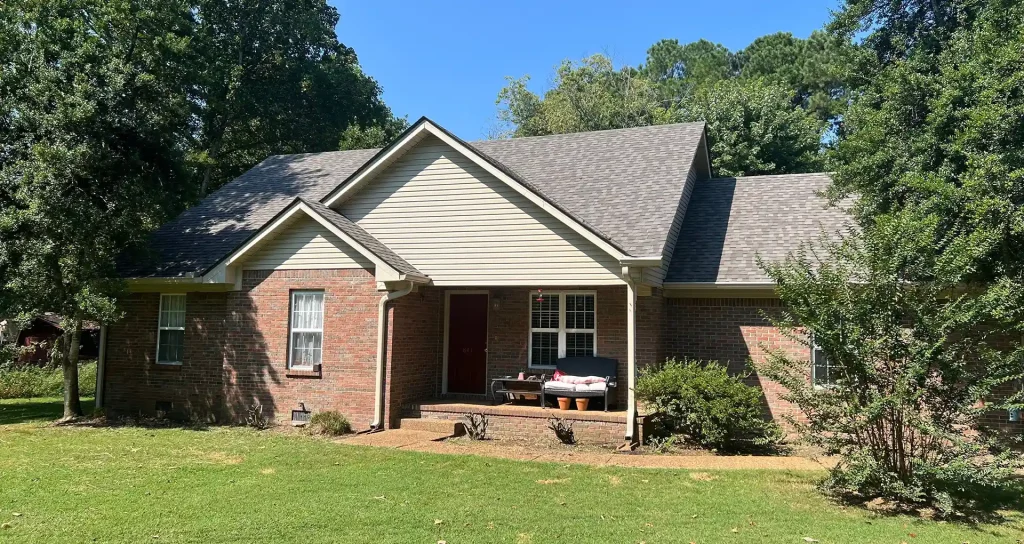
Nashville’s climate is hard on roofs and exteriors. Spring brings severe thunderstorms, hail, and occasional EF-rated tornado activity from late March through early June. Summer humidity averages above 75 percent, which encourages algae streaking on north-facing asphalt shingles and accelerates wood-trim rot if flashing or kickout details were not done correctly during the original build. Late summer brings extreme heat that can warp and curl shingles past their service life. Winter is mostly mild but the city sees several ice events per year, and older homes throughout East Nashville and Inglewood see ice dam formation along inadequately ventilated eaves.The Davidson County housing stock is one of the most varied in the Southeast. We work on 1920s Craftsman bungalows in Lockeland Springs, mid-century ranches across Green Hills and Belle Meade, 1970s and 80s contemporaries in Bellevue and Donelson, and the wave of modern tall-skinnies, infill duplexes, and townhomes that have transformed The Nations, 12 South, Wedgewood-Houston, and Germantown. Each housing era brings its own roofing and siding challenges. Older homes often need full deck replacement underneath aging shingles, dimensional shingle upgrades from original 3-tabs, and complete fascia or soffit rebuilds. Newer construction frequently has builder-grade materials that simply will not last 20 years in this climate.Our team keeps current with Davidson County and Metro Nashville permitting, and we are familiar with the historic overlay districts in Edgefield, Lockeland Springs, and parts of East Nashville where shingle color, profile, and trim styles must comply with preservation guidelines. We carry general liability and workers compensation, install only manufacturer-rated underlayments and ice and water shield in code-required zones, and our crews follow proper deck nailing and ventilation specs so your warranty stays intact.
Neighborhoods We Serve in Nashville, TN